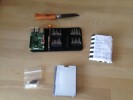
The Raspberry Pi arrived in 2012 and immediately changed what was possible with single-board computing – a credit-card-sized Linux computer for £25 that could run a full operating system, connect to a display, drive USB peripherals, and interface with the physical world via GPIO pins. It was aimed at education but adopted enthusiastically by hobbyists, hackers, and makers who saw the potential for a cheap, capable, low-power computer that could be embedded in projects or left running continuously without guilt about the electricity bill.
Project Ideas
The Raspberry Pi’s versatility is its defining characteristic – the same hardware can be a retro gaming console running RetroPie, a network-wide ad blocker running Pi-hole, a penetration testing platform running Kali Linux, a media centre running Kodi, a home automation hub running Home Assistant, or a Bluetooth audio receiver. The limiting factor is imagination and time rather than the hardware’s capability. A Pi with a decent SD card and the right software can do almost anything you’d want a small, low-power computer to do.
Getting Started
The entry cost is low and the community is enormous – there are tutorials, forum posts, and GitHub repositories for virtually every project idea. Start with Raspberry Pi OS, get comfortable with the Linux command line, and then pick a project that solves a problem or scratches a creative itch. The Pi rewards curiosity: every project teaches something new about Linux, networking, or hardware, and the skills transfer directly to professional systems work. One of the most important pieces of educational hardware ever made.
2 responses to “Raspberry Pi”
Hey Jonathan,
Did you ever devise a project for the Raspberry Pi?
Thanks,
Brandon
HI Brandon
Not yet, right now its in the ninja case and I have retropi running on it and use a ps3 gamepad. Hopefully I can get some time to try to mash it all into a gameboy case with a screen